With the fast-changing digital world of 2025, having a concrete Content Marketing Strategy is now more important than ever for companies seeking to increase organic traffic and achieve long-term brand authority. With evolving search algorithms, AI content, and an explosion in user-generated media, marketers need to reformulate their content plans to remain relevant and seen. It’s no longer simply a matter of publishing articles — it’s about producing goal-oriented, high-quality content that engages targeted readers and ranks well in search listings.
Today’s audience is craving authenticity, personalisation, and immediacy. Consumers are attracted to brands that know what they need and deliver genuine value without the hard sell. This change has created the demand for content strategies based on rich audience understanding, persistent engagement across various platforms, and nimble content forms such as short-form video, interactive blogs, and AI-facilitated personalisation tools. Companies that excel at this art of engagement are the ones succeeding in organic search and social discovery.
In this blog, we will see how the top-performing content marketers of 2025 are developing strategies that not only drive visibility but also turn visitors into loyal customers. Whether you’re building from scratch or refining an existing strategy, the insights below will assist you in creating a smarter, more sustainable content marketing approach that drives measurable results.
What Defines A Successful Content Marketing Strategy In 2025?
An effective content marketing program in 2025 is one that resonates deeply with audience behavior, relies on data-driven insights, and delivers value consistently across channels. It’s more than just writing articles or sharing on social media — it’s about developing meaningful content that fills specific audience needs at each step of the buyer journey. As competition is fiercer than ever, content has to be relevant and timely, providing solutions, initiating conversations, and driving engagement.
An essential element of this strategy is AI and automation-driven personalisation. Brands that personalise content about real-time data — user preferences, search history, and behaviour — are experiencing much higher engagement and conversion. Additionally, Content also needs to be flexible, repurposed in all kinds of formats such as video, infographic, podcast, and newsletters to reach audiences where they are most engaged.
Planning and consistency are the key to being ahead, and that’s why a strong content calendar is often the backbone of high-performing brands to plan and schedule content publication. It ensures a consistent publishing rhythm, prevents gaps, and monitors performance over time. A winning marketing strategy in 2025 is forward-thinking, rather than backwards-looking — one that mixes art, science, and strategic timing to address audience needs and fuel sustained growth.
Which Platforms Are Generating The Most Organic Traffic Now?
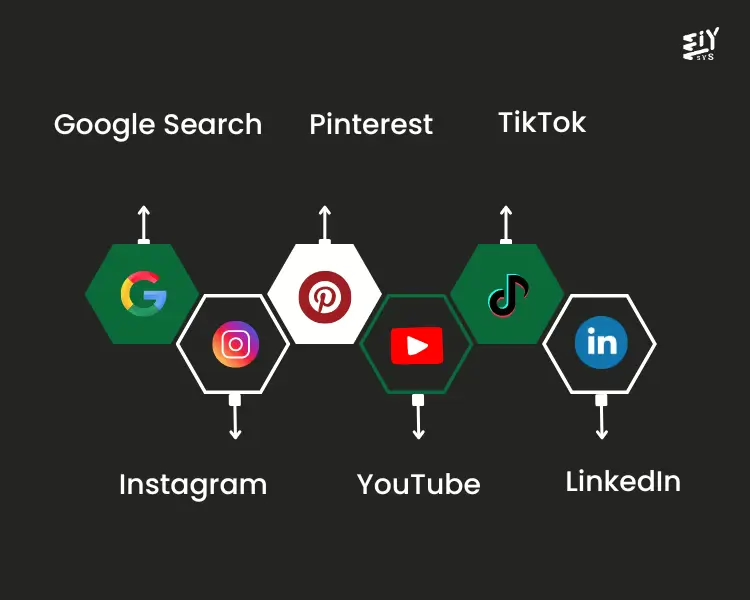
In 2025, top-performing platforms are ones that track changing user behaviour, favour discoverability on search, and value consistency. An effectively executed Content Marketing Strategy these days covers platform-specific optimisation, video-first strategies, and clever utilisation of AI tools to boost visibility and engagement. Platforms that feature powerful search engines, personalised feeds, and engaged communities are the new leaders in organic performance.
1. Google Search
Even the number one source of organic traffic, Google, is still crucial for visibility. Also, Companies that spend money on high-quality, keyword-rich content that responds to user intent continue to reign supreme in rankings.
2. YouTube
The search engine in the second place, YouTube, has strong audience targeting through video SEO. Regular uploads, keyword-heavy titles, and attention-grabbing thumbnails fuel long-term discoverability.
3. LinkedIn
Particularly good for B2B traffic, LinkedIn allows organic growth via thought leadership and native content. Also, Frequent posting and engagement with niche communities increase reach exponentially.
4. Instagram (Reels & Carousels)
Instagram’s algorithm rewards short-form, high-engagement content. Also, Reels and carousel posts are crucial to achieving organic visibility, particularly in conjunction with storytelling and trending audio.
5. TikTok
Celebrated for its virality, TikTok is a tribute to creativity and relevance. Brands that catch the trends of the platform and apply relatable, short-form messaging tend to enjoy swift growth in audience.
6. Pinterest
This image search engine is great at generating long-term traffic, especially for evergreen material in areas such as lifestyle, fashion, and do-it-yourself.
How Does AI Contribute to Modern Content Creation?
AI has a revolutionary function in contemporary content creation by improving both the speed and quality of production. From writing first drafts to optimising headlines and images, AI tools automate processes and minimise labour. Authors and marketers now use AI to research search trends, forecast audience actions, and adjust content more specifically to user intent. This creates more engaging and relevant content, published quicker and more often than ever before.
In addition to content creation, AI also supports strategic planning. It is able to detect performance gaps, suggest content updates, and monitor competitors in real time. Natural language processing tools ensure that tone, readability, and style align with audience preferences. On top of that, AI personalization engines are helping brands provide dynamic content experiences by user segments, resulting in improved engagement and increased conversion rates across channels.
One of the biggest advantages of AI integration is that it can assist in structuring content around topic clusters. By grouping related chunks of content under a main theme, brands can improve the internal linking, increase search engine visibility, and establish authority in certain subject matters. AI makes this easier by detecting appropriate subtopics, proposing linking strategies, and maintaining consistent keyword distribution, making it simpler to develop cohesive, SEO-friendly content ecosystems.
What Formats Are Most Quick Ways For Engagement Today?
In 2025, the best content formats to engage with are those that are visually rich, bite-sized, and mobile-first optimised. Short video remains supreme on platforms such as TikTok, Instagram Reels, and YouTube Shorts, providing bite-sized value that can easily fit into the typical user’s scroll. These formats ride on storytelling, humour, trends, and relevance, grabbing attention in no time and pushing shares and comments.
Interactive content is also gaining momentum. Polls, quizzes, sliders, and interactive infographics that only are attention-grabbing but also increases user time spent on a brand. The tools provide instant feedback or reward, which makes the experience memorable and personalised. They’re particularly effective in social media marketing and landing pages where user interaction yields improved insights and conversions.
Long-form content like detailed articles, podcasts, and webinars still works well, especially for establishing authority and trust. Yet, in order for these types of content to deliver well, there needs to be strategic keyword research for relevance and discoverability. When merged with multimedia features like embedded video, charts, or audio files, long-form content becomes more compelling and offers more value to the audience—improving organic reach and retention.
How Does Internal Linking Support SEO Goals?
Internal linking is important in facilitating SEO objectives by increasing the structure of a site, sharing link equity, and informing both users and search engines through content pathways that are relevant. A well-structured internal linking system not only improves crawlability and indexation but also increases topic relevance throughout the site, eventually increasing visibility and overall content ROI.
- Crawlability- Internal links assist search engine spiders in finding and crawling more pages within a site efficiently, preventing useful content from going unnoticed.
- User Navigation- Directing users to relevant or more content improves time on page and minimises bounce rates, indicating the value of content to search engines.
- Allocates Link Equity- Referring to valuable internal pages allows distributing authority throughout the site, aiding improved rankings for target phrases.
- Strengthening Topic- Internal linking solidifies content connections between clusters, assisting search engines with determining content themes and structure.
- Increases Conversion Paths- Contextual linking to guide readers to service pages or lead magnets can maximise engagement and expand conversion chances.
Minimises Orphan Pages- Internal linking properly makes sure that all essential content is reached, avoiding isolated pages from performing poorly in search.
Conclusion
In 2025, a well-conceived Content Marketing Strategy is the foundation of long-term online growth. It isn’t just about publishing content anymore—today’s success demands adherence to intent alignment, relentless optimisation, and smart utilisation of tools such as AI, internal linking, and rich multimedia formats. Done correctly, this strategy not only increases visibility and engagement but establishes trust, authority, and organic reach over the long term.
As the digital world continues to transform, Eiy Sys helps companies to stay nimble and data-focused ahead of the curve. Value-focused content, platform optimisation, and quality audience engagement will drive sustained success. The secret behind is the ongoing experimentation, iteration, and expansion of content efforts to adapt to shifting expectations and search behaviours.
Frequently Asked Questions
An effective strategy today is data-driven, audience-focused, and optimised for both search and social platforms. It involves consistent publishing, use of AI tools, and content that aligns with user intent and the customer journey.
Video content, especially short-form video, is crucial for engagement and reach. Platforms like TikTok, Instagram Reels, and YouTube Shorts prioritise video in their algorithms, making it a key format for visibility.
ROI can be measured through metrics like organic traffic, lead generation, conversion rates, and engagement levels. Using tools like Google Analytics and CRM integrations can help track how content impacts business outcomes.
Internal linking improves site navigation, helps search engines crawl and index content more effectively, and distributes page authority. It also improves user experience by directing visitors to relevant information.
Keyword search ensures that content is aligned with what users are searching for. It helps in identifying content gaps, optimizing for search intent, and improving the chances of ranking higher in search engine results.