
Video Marketing is a strategy that uses video content to promote, educate, or engage audiences about a brand, product, or service. It allows businesses to communicate more effectively, offering an engaging way to capture attention, convey messages, and build stronger connections with their audience.
Brands can distribute video content across various digital platforms, including their websites, social media channels, email marketing, and through programmatic advertising. Videos are highly versatile, making them ideal for product demos, tutorials, customer testimonials, brand storytelling, and promotional campaigns.
As consumers increasingly prefer video over other content formats, incorporating video marketing has become essential for brands aiming to increase visibility, improve engagement, and drive conversions in today’s digital landscape. Video marketing is a powerful tool for businesses to stay competitive and relevant in a crowded market.
Which Key Components Are Successful For A Video Content strategy?
A successful video content strategy involves more than just creating great videos. It requires clear goals, understanding your audience, consistency, and storytelling to engage viewers and achieve business results. Here’s a quick look at the key components for success.
1. Clear Goals
Clear goals are essential for a focused video marketing strategy. By setting SMART goals—Specific, Measurable, Achievable, Relevant, and Time-bound—you ensure your efforts are aligned with business objectives. For example, instead of aiming to “generate more leads,” set a concrete target like “generate 50 leads through video marketing in 90 days.” This clarity helps measure success and avoids wasting resources on irrelevant metrics.
2. In-Depth Understanding Of Target Audience
Understanding your audience is crucial for creating relevant and engaging video content. Developing buyer personas—detailed profiles of your ideal customers—helps tailor your videos to meet their specific needs and pain points. This ensures your video content strategy resonates with the right audience, driving higher engagement and conversions.
3. An Editorial Calendar
An editorial calendar helps maintain consistency in your video marketing efforts and is a key part of your overall video content strategy. By planning and scheduling video production, you ensure regular content delivery and better organization.
4. Engaging Stories
Storytelling is key to making your videos stand out in a crowded digital space. Rather than focusing on hard sales, create content that addresses your audience’s problems and demonstrates how your product or service offers a solution. Engaging stories connect emotionally with viewers, making them more likely to remember your brand and take action.
Benefits Of Video Marketing
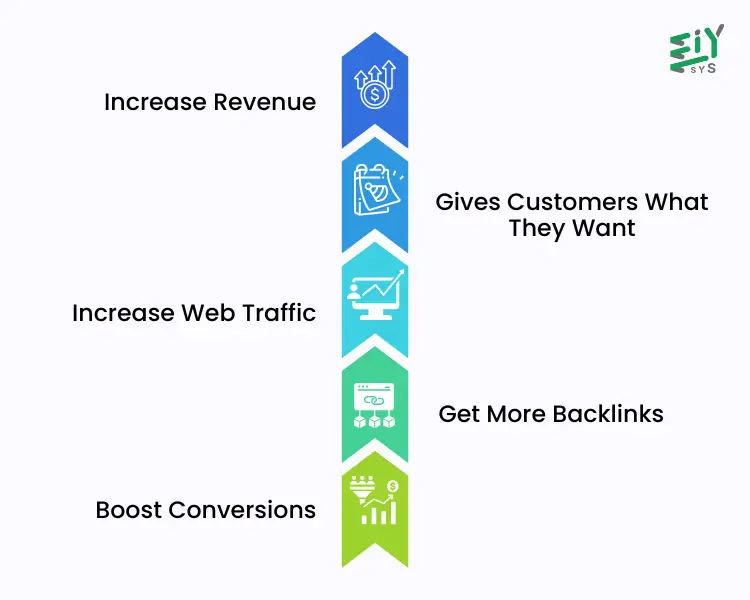
Video marketing offers a wide range of benefits that can significantly impact a business’s success by increasing engagement, driving sales, and enhancing brand visibility.
-
Increase Revenue
It helps businesses create targeted ads and persuasive product or service videos that drive sales. High-quality content that resonates with viewers increases brand awareness and engagement, ultimately boosting revenue, showcasing the many benefits of video marketing.
-
Gives Customers What They Want
It allows businesses to provide valuable content, such as tutorials, customer testimonials, or company culture videos. This aligns with the modern consumer’s desire to research and make informed decisions before committing to a purchase.
-
Increase Web Traffic
Optimizing video content with industry-related keywords helps drive organic traffic from search engines like Google and YouTube, as well as social media platforms such as TikTok, Facebook, and LinkedIn, highlighting the benefits of video marketing.
-
Get More Backlinks
Sharing videos on other websites is an effective way to build backlinks, improving SEO rankings. Higher rankings in search results lead to increased traffic and more potential sales opportunities.
-
Boost Conversions
Videos with engaging visuals and audio cues capture attention quickly. By incorporating calls-to-action (CTAs), businesses can prompt viewers to take specific actions, such as signing up for newsletters or downloading resources, directly within the video.
Key Benefits Of Using Social Media Video Ads?
Social media video ads have become a powerful tool for businesses looking to increase brand visibility, engage with audiences, and drive conversions. They offer a unique opportunity to capture attention in a highly visual and interactive way, making them essential for modern marketing strategies.
-
Increased Reach and Engagement
According to the Content Marketing Institute, 73% of B2B marketers and 70% of B2C marketers consider content marketing a key part of their strategy. High-quality social video content tends to go viral, as it provides value—whether through tips, entertaining stories, or industry-specific trivia. When your content resonates with audiences, it’s more likely to be shared, increasing visibility and engagement, which highlights the effectiveness of social media video ads.
-
Influencer Collaborations
Influencer marketing is another powerful benefit of social media video ads. Research shows that 61% of consumers trust recommendations from influencers. Partnering with influencers within your niche can provide a cost-effective way to build credibility and reach new audiences. Influencers can help promote your brand through authentic storytelling, which increases trust and drives higher engagement.
-
Boosted Brand Awareness Through Paid Advertising
Paid social media ads can provide an additional advantage, driving more traffic and visibility. Despite being an investment, paid advertising is highly effective in reaching targeted audiences. Research from Marketing Tech News shows that 38% of shoppers discover brands and products via social media ads. This extra push helps your brand stand out, reaching potential customers who might not otherwise find you.
How Can You Create An Engaging Video Campaign?
Creating an engaging video campaign requires a strategic approach that resonates with your audience and encourages active participation. By focusing on key elements like storytelling, emotional appeal, and targeted messaging, businesses can craft videos that leave a lasting impression and drive meaningful results.
1. Define Your Target Audience
Understanding your target audience is the first step to creating engaging videos. Knowing your customers’ demographics, interests, and behaviors allows you to tailor content that speaks directly to their needs and desires. Conduct research and create detailed profiles of your audience, including their age, gender, job status, and hobbies.
2. Make A Plan
Successful video content relies heavily on careful planning to create engaging video campaigns. Start by outlining your video’s structure and purpose. Draft a script that aligns with your message and objectives, ensuring that you highlight the main points you want to convey. Gather the necessary resources, such as camera equipment, props, and actors, and plan each aspect of the production process to ensure a smooth execution.
3. Tap Into Emotions
Emotional connections are key to viewer engagement in engaging video campaigns. Videos that evoke emotions such as joy, fear, excitement, or empathy often have a more lasting impact. Use emotive language in your script, select appropriate music, and consider how visuals, actors, and settings can help create the desired emotional response.
4. Include Meaningful Interactions
Enhance engagement by adding interactive features like clickable buttons, quizzes, or 360-degree views. Interactive elements encourage viewers to participate actively, which makes the video feel more personalized and immersive.
Why Is Optimizing Video Titles Important For SEO?
Optimizing video titles is essential for SEO because it enhances visibility on platforms like YouTube, Google, and Vimeo. Well-crafted titles and descriptions help search engines understand your content, making it more likely to appear in relevant search results. Video SEO Tips involve using targeted keywords and metadata to improve rankings, ensuring your videos reach a wider audience. Engaging titles also encourage higher click-through rates, signaling to platforms that your content is valuable. By following Video SEO Tips and optimizing titles and descriptions, you not only improve your video’s search ranking but also increase its chances of being recommended and driving more traffic.
Conclusion
EIY SYS knows the power of Video Marketingand how it can help businesses achieve their goals by driving engagement, increasing brand awareness, and boosting conversions. By implementing a well-thought-out Video Content Strategy that includes defining your target audience, planning Engaging Video Campaigns, and optimizing video titles for SEO, brands can significantly enhance their online presence.
The Benefits of Video Marketing—ranging from increased revenue and web traffic to influencer collaborations and Social Media Video Ads—make it an indispensable tool in today’s digital landscape. With the right approach and Video SEO Tips, video content can help businesses stay competitive and relevant in a crowded market.
Frequently Asked Questions
Video marketing is a strategy that uses video content to promote, educate, or engage audiences about a brand, product, or service. It is crucial because it allows businesses to communicate more effectively, capture attention, convey messages, and build stronger connections with their audience. As consumers increasingly prefer video over other content formats, incorporating video marketing helps brands improve visibility, engagement, and conversions, staying competitive in today’s digital landscape.
A successful video content strategy includes:
Clear Goals: Setting SMART goals to align video marketing efforts with business objectives.
In-Depth Understanding of the Target Audience: Developing buyer personas to create relevant, engaging content.
Editorial Calendar: Scheduling regular video content to maintain consistency.
Engaging Stories: Crafting videos that address audience problems and offer solutions, connecting emotionally.
Video marketing can increase revenue by driving sales with persuasive product videos, boost customer engagement with valuable content, and improve SEO rankings by increasing web traffic. It also helps businesses build backlinks by sharing videos across platforms and boosts conversions through engaging visuals and calls-to-action within the videos.
Social media video ads help increase reach and engagement, often going viral due to entertaining or informative content. Influencer collaborations enhance credibility and reach, while paid social media ads increase visibility and drive more traffic to businesses. These ads provide an extra push to help brands reach a broader audience, boosting brand awareness and conversions.
Optimizing video titles for SEO is crucial as it enhances visibility on platforms like YouTube, Google, and Vimeo. Well-crafted titles and descriptions with targeted keywords help search engines understand the content and improve rankings. Engaging titles increase click-through rates, signaling to platforms that the content is valuable, which helps attract more views and drive traffic to your videos.