


Current search results show a complete transformation from their previous state, which existed only a few years ago. The GEO v/s SEO debate has become more prominent because it affects the visibility of online content to various audiences. The brand needs to maintain its presence through this shift because it will enable better content decision making by the organization.
People in your audience want to avoid searching through multiple search results, which go on without end. They want quick, relevant answers that solve their problems instantly. Your content shows clarity and value, which enables readers to trust you and continue reading your material.
GEO vs SEO: Which Strategy Matters More Today?
To begin with, the discussion around generative engine optimization and search engine optimization is growing quickly. For years, search engine optimization has helped websites rank on search engines. However, AI tools now give direct answers instead of just links. Because of this shift, many marketers are learning what generative engine optimization is.
Moreover, search behavior is changing fast. According to Statista, nearly 60% of users now prefer AI-generated answers over scrolling through search results. As a result, businesses are combining search engine optimization with generative engine optimization to stay visible.
That being said, companies also evaluate search engine optimization cost before investing in new strategies. Marketers currently investigate generative engine optimization tools to make their content appear in AI-generated responses. The combination of both strategies results in better reach and visibility for our content.
How is GEO Changing Online Search?
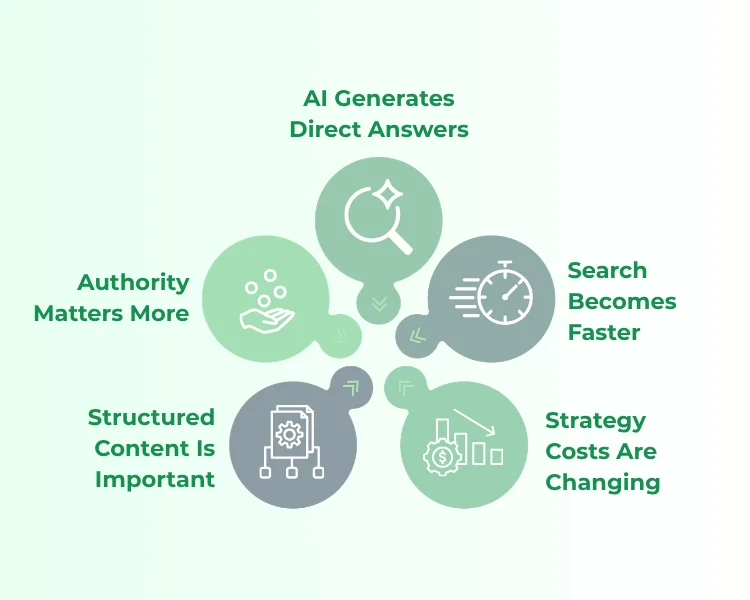
First of all, generative engine optimization is changing how search results appear. Instead of only showing website links, AI engines now generate summarized answers. Because of this, marketers are learning what generative engine optimization is and adjusting their search engine optimization strategies.
1. AI Generates Direct Answers
AI tools now provide instant summaries from different sources. For example, Google AI Overviews combine insights from several websites. Because of this, generative engine optimization helps content appear in those answers. Many companies also use generative engine optimization tools to optimize their pages.
2. Authority Matters More
AI platforms prefer reliable sources. According to HubSpot, 75% of users trust AI answers only from credible sites. Therefore, strong search engine optimization practices still matter. At the same time, generative engine optimization improves how AI understands the content.
3. Structured Content Is Important
AI systems read structured information easily. Content with headings, lists, and FAQs performs better. Because of this, businesses combine search engine optimization with generative engine optimization tools to structure content.
4. Search Becomes Faster
From a user’s point of view, AI search saves time. Instead of opening many websites, users get quick answers. As a result, brands are studying which generative engine optimization to use in those responses.
5. Strategy Costs Are Changing
Businesses now reconsider their search engine optimization costs. SEO has traditionally been thought of as a way to rank at the top of search engine results, while, on the other hand, generative engine optimization focuses on appearing in response to AI-generated answers.
What Helps Content Appear in AI Answers?
First of all, clear and useful content improves visibility. AI systems prefer structured and informative pages. Because of this, combining search engine optimization with generative search engine optimization increases the chances of appearing in AI answers.
Moreover, structured formatting plays a key role. According to BrightEdge, 68% of AI answers come from pages with clear headings and organized content. Therefore, many brands use generative engine optimization tools to improve readability.
Most importantly, businesses must understand what generative engine optimization is. GEO focuses on clarity, authority, and context. Meanwhile, strong search engine optimization ensures search engines and AI tools can index the content properly.
Can your SEO Strategy Keep Up With AI Search?
Nowadays, businesses are revising all their digital strategies. Traditional search engine optimization still drives traffic. However, AI search requires brands to also invest in generative engine optimization. This approach helps balance performance and search engine optimization cost.
Optimize Content for AI
- One should use clear headings and short paragraphs. This helps generative engine optimization tools understand your content.
- Add credible statistics and sources. AI prefers reliable information.
- Explain ideas simply. The system generates enhanced results for both search engine optimization and generative engine optimization.
Balance Strategy and Budget
- You should assess your search engine optimization expenses before you begin to grow your marketing initiatives.
- Develop content that enables search engines and AI systems to provide accurate responses.
- The advanced generative engine optimization tools enable users to evaluate content performance through their analysis capabilities.
Are you Ready for the Future of Search?
The actual question needs to be answered to determine if your organization has prepared its AI research strategy. Search is no longer limited to traditional rankings. Because of this, brands are combining search engine optimization with generative engine optimization to stay competitive.
- Focus on Structured Content- Clear headings and lists improve readability. This supports both search engine optimization and generative engine optimization.
- Use Advanced Tools- Modern generative engine optimization tools help analyze how AI platforms read content.
- Understand Search Trends- Gartner predictions state that AI-based search systems will be responsible for 30% of all search traffic by the year 2026.
- Manage Strategy Cost- Optimization costs should be kept down from the client’s perspective and not promoted in the case of an unnatural impound of revenue.
- Prioritize User Value- At the end of the day, helpful content wins. Your brand becomes more discoverable through the combination of search engine optimization and generative engine optimization.
Conclusion
The world of search is evolving quickly, and the debate about GEO v/s SEO highlights how the ways of online visibility are changing. Those corporates that manage to blend the latest AI-oriented discovery techniques with the tried-and-true search methods will get better outcomes in reaching the audience.
Eiy Sys assists companies that want to enhance their search results, but at the same time keep their digital footprint in the present environment. Your material will turn into a potent growth driver for your organization once you apply the proper mix of SEO and AI optimization services. Get in touch with Eiy Sys now to find out how correct strategy development can strengthen your online presence.
Frequently Asked Questions
Search engine optimization focuses on improving website rankings in search engine results. In contrast, generative engine optimization focuses on making content visible in AI-generated answers and summaries. Both strategies help improve online visibility but work in different search environments.
This is a common question among marketers today. It refers to optimizing content so AI platforms can easily understand, summarize, and include it in their generated responses. This approach helps brands appear in AI-driven search results.
AI search tools are rapidly changing how people find information online. According to industry reports, a growing number of users prefer AI-generated responses instead of browsing multiple websites. Because of this trend, generative engine optimization helps businesses stay visible in AI-powered search experiences.
Yes, generative engine optimization tools help analyze how AI engines interpret and display content. These tools also guide businesses in structuring information, improving relevance, and increasing the chances of appearing in AI-generated answers.
The search engine optimization cost can vary depending on the strategy, industry, and competition. Some businesses invest in ongoing SEO campaigns, while others focus on specific content optimization projects. However, combining search engine optimization with AI-focused strategies often delivers better long-term results.
Yes, using both search engine optimization and generative engine optimization is becoming the most effective strategy. SEO helps websites rank in search engines, while GEO ensures visibility in AI-generated responses. Together, they create a stronger digital presence across multiple search platforms.

Jasleen Kaur
Hi, I’m Jasleen, a content writer and SEO enthusiast who loves turning ideas into engaging, reader-friendly content. I create blog posts, articles, and web copy that not only inform but also help websites rank higher on search engines. Combining st...read more