Among the most advanced and unpredictable technologies in the modern world, data science in Blockchain is one of the most important. The use of blockchain technology to collect raw data about the operation of a system has been demonstrated by data scientists as a way to learn about the workings of that system.
It is through the combination of data science and blockchain technology that we have been able to achieve creative improvements in the fields of software development, finance, as well as other fields.
In this blog, our goal is to educate you on everything there is to know about data science and blockchain technology and how they differ from one another.
What Are the Potentials of Data Science and Blockchain Technology?
The use of data science and blockchain technology ensures that blockchain technology’s transaction processes are secure and protects the transactions from outside interference.
In addition to detecting fraud and scams, data scientists are also capable of safeguarding the blockchain network. In order to simplify the collection process, the transactions are divided into several components. These procedures are used to monitor criminals who use blockchain and data science platforms for fraudulent or financially motivated purposes.
Data stored on a blockchain network cannot be monitored, which is one of the challenges of blockchain and data science. Information held by these servers is not accessible via centralized servers, so inquiries cannot be answered or suspicions dispelled. In order to put ideas from fields such as artificial intelligence and machine learning into action, innovative approaches are needed.
What is More Effective, Data Science or Blockchain?
In order to fully understand the potential of data science and blockchain, it is important to acknowledge their different uses and specialties. It is the goal of data science to examine and deconstruct vast amounts of data in order to derive valuable insights.
A variety of techniques from computer science and other disciplines are used to assist users in making crucial decisions. Using data science in blockchain, problems are solved, as well as routine operations are automated and some fascinating new insights are generated.
As opposed to centralized ledgers, data science and blockchain technology are decentralized and ensure data security and unity. Transparency and ease of use are outstanding features of the transaction recording blockchain and data science. There are several advantages to using it, including information protection, transparency management and immutability assurance. Particularly advantageous are these benefits when it comes to financial transactions and other legal matters.
Below is a brief analysis of productivity:
1. Data Science
- Generating Insights:< Data science in blockchain uses artificial intelligence (AI) and forecasting analysis to identify trends and patterns.
- Solving Problems:< When it comes to solving complex problems, data scientists look for models and techniques.
- Efficiency and Automation: Automation enables you to reduce expenses and increase productivity by automating tasks.
2. Blockchain
- Security: Blockchain for data science reduces the risk of fraud and hacking.
- Transparency: The members of a blockchain network are able to see every transaction made on it.
- Immutability: Data recorded in a blockchain and data science cannot be altered once it has been recorded, protecting it from being unified.
What is the Impact of Blockchain on Data Science?
With blockchain technology, we are introducing new possibilities for efficiency, transparency and safety in the way we handle data. Taking a closer look at data and blockchain:
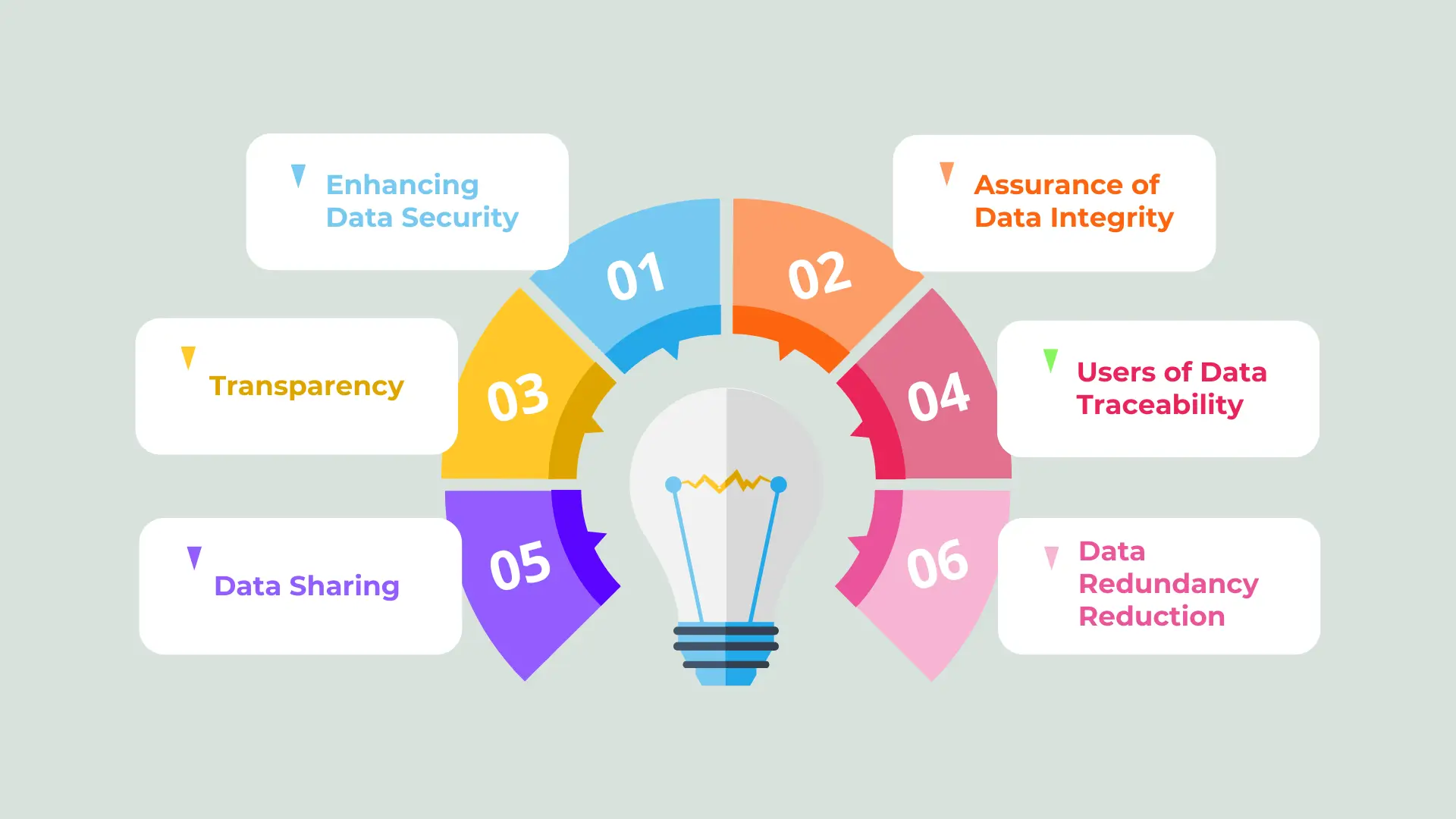
- Enhancing Data Security: Blockchain technology has one significant feature that makes data more secure: its decentralized nature. An integrated network of systems spreads blockchain data across a distributed network, which differs from the old databases.Having every piece of information linked to the previous one makes it very difficult for hackers to alter any one piece of information. You can rest assured that your data is safe thanks to this decentralization.
- Assurance of Data Integrity: Blockchain’s most outstanding feature is its immutability. A blockchain is a permanent record of information that can’t be erased or modified once it’s added.As a result, the data is guaranteed to be accurate and trustworthy over time. In addition, the blockchain network is the most beneficial to finance and health care, where data unification plays a crucial role.
- Transparency: All participants in the blockchain network are able to see every transaction, which provides unparalleled transparency.In industries such as supply chain management, where tracking a product’s journey from origin to consumer is crucial, openness is vital.
- Users of Data Traceability: A blockchain network links every piece of data to another, which makes it easier to verify history and to understand data.By using this method, goods can be tracked, financial transactions can be checked and fraud and errors can be reduced significantly.
- Data Sharing: A blockchain network allows smooth and safe data sharing across regions and systems, including healthcare, where a patient’s record can be shared.The goal is to ensure that all parties have access to the latest and most accurate information to enhance patient care and coordination.
- Data Redundancy Reduction:
The system facilitates the elimination of the issue by managing a single, decentralized ledger that can be utilized by all participants. Using the same data reduces duplication and ensures everyone has access to the same information.
Conclusion
Overall, it can be said that blockchain technology and data science are still in their infancy. Many firms are interested in using these technologies together in order to check blockchain networks for safety, establishing details about users and helping to make decisions about the technology that the firms facilitate by establishing details about the users.
As a whole, data science in blockchain has a lot of potential applications worldwide and we’ll be keenly watching to see how both industries progress in the future. Our goal at Eiy sys is to lead the charge in transforming fields and implementing blockchain technology to its full potential.
Frequently Asked Questions
An electronic ledger that is decentralized and records transactions on many computers so that they cannot be altered retroactively is called a blockchain. Through cryptographic techniques, it ensures the integrity and security of data.
In blockchain data science, insights are extracted, patterns are detected and decision-making is improved through analyzing data stored on blockchain networks. Blockchain performance optimization, fraud detection and market analysis can all be accomplished with the help of this tool.
In blockchain data science applications, tools such as Python, R and TensorFlow are commonly used. Blockchain data can be analyzed using techniques such as machine learning, natural language processing and statistical analysis.
It is possible to optimize blockchain protocols so that they become more scalable by analyzing transaction data, identifying bottlenecks and proposing solutions to improve the efficiency of blockchain networks through the use of data science.