


Blockchain technology is used in several industries, demonstrating new uses apart from cryptocurrency. It is common for companies to look at fairness, security, and efficiency. Although traditional operational frameworks are changing as a result of blockchain integration trends.
It is not only supply chain management and financial services that are affected by blockchain adoption, but a wide range of other industries as well. Through its decentralized nature, companies are able to better structure processes, reduce fraud, and build greater stakeholder trust.
Throughout this blog, we will examine the latest Blockchain trends integration across various industries. Diverse sectors benefit immensely from them. By looking at advanced applications that could be created using this technology, let’s see how it can be applied in the future.
How does Blockchain Integration work?
The integration of blockchain technology into existing systems, applications, and processes occurs when blockchain technology is incorporated into the company’s existing systems, applications, or processes. Due to its decentralized, secure, and transparent nature, blockchain offers a uniqueness to numerous business activities. There are several aspects of blockchain integration:
In addition to ensuring integrity, Blockchain technology also ensures that data cannot be accessed or manipulated by unauthorized persons.
Blockchain offers great benefits, particularly in financial services, supply chain management and contract execution, in the secure and transparent recording of blockchain networks transactions.
What is the best way to integrate blockchain into an app?
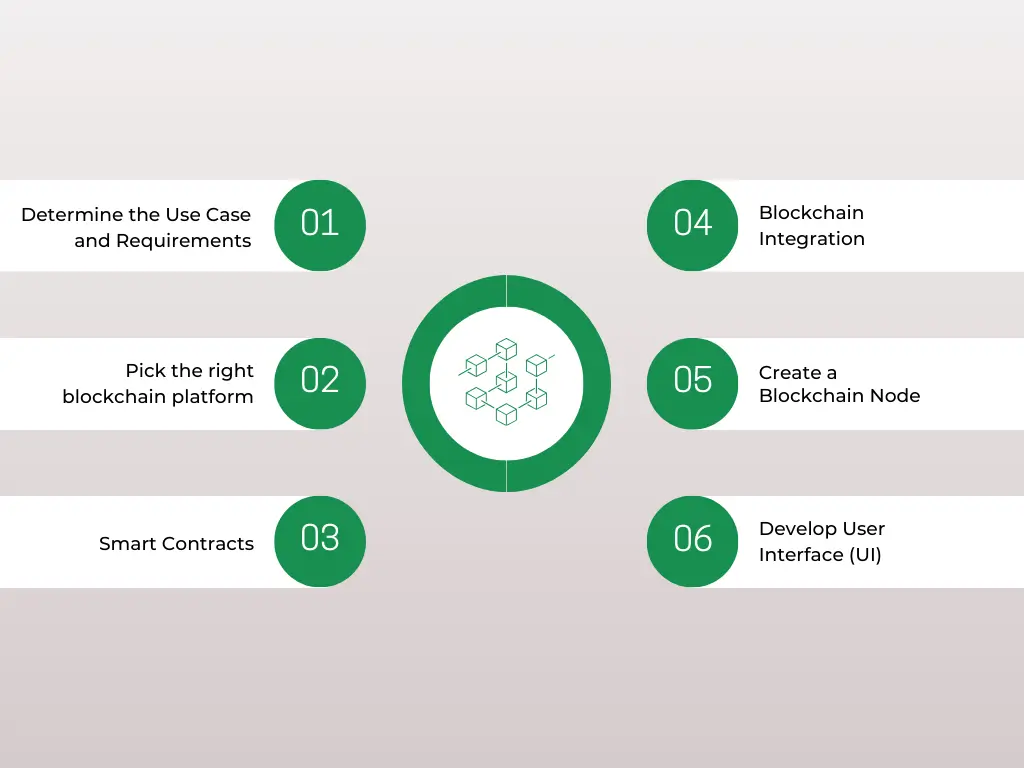
In order to ensure that the application is compatible with blockchain technology, several steps would need to be taken. Here is a brief overview:
1. Determine the Use Case and Requirements: Make sure you understand what problem the blockchain is trying to solve before using it. A blockchain that meets your needs, whether it be a public, private, or consortium blockchain, will be determined by your needs.
2. Pick the right blockchain platform: Choose a blockchain platform that is suitable for your requirements and make sure the platform you choose meets those requirements. The most popular ones on the market are Ethereum, Hyperledger, Binance Smart Chain, and Polkadot, to name just a few.
3. Smart Contracts: Smart contracts define a lot of the logic that is involved in the basic operations of a blockchain; they also define a lot of the logic that is involved in the transaction of a blockchain in real time.
4. Blockchain Integration: Make your app able to interact with a blockchain network by allowing it to use the APIs and SDKs that your blockchain company provides in order to interact with the blockchain network.
5. Create a Blockchain Node : In order to send blockchain network transactions and read data from a blockchain, you can set up a blockchain node within your organization or you can use a node service provider on behalf of your organization.
6. Develop User Interface (UI): There is a need for the user interface of an application to be able to facilitate the interaction between the blockchain features and the users in order to facilitate the interaction between the two.
Blockchain Technology: What's New?
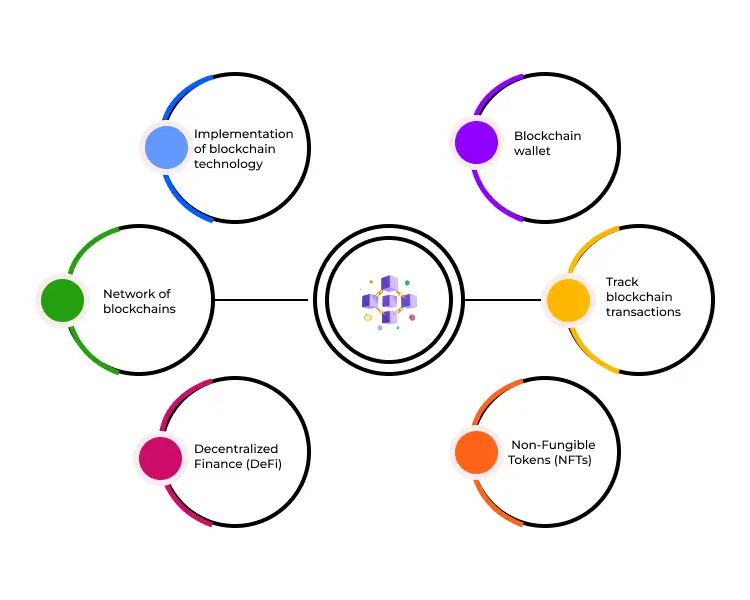
As blockchain technology continues to set trends and generate blockchain hot topics, more than a few industries are ablaze with blockchain technology. These developments include:
1. Implementation of Blockchain Technology
Blockchain technology is slowly being incorporated into organizations’ in-place systems. Because blockchain’s protocol is decentralized, secure and transparent, businesses can operate more efficiently. Among the key features are improving supply chain efficiency, improving transaction accuracy, and improving data security.
2. Blockchain Wallet
Every individual who works with cryptocurrency is becoming increasingly dependent on a blockchain wallet. Digital assets can be stored, managed and transacted securely using a digital asset wallet.
In addition to enhanced security, user-friendly interfaces, seamless integrations across a range of blockchain networks, and countless other innovations, blockchain wallets offer a number of new features.
3. Network of Blockchains
Using blockchain networks, blockchain technology can be accessed peer-to-peer, eliminating the need for middlemen.
In current blockchain trends, scalable and interoperable blockchain networks are being created, transaction volumes are being handled more efficiently, and different blockchains can communicate with each other. As a result, the blockchain network grows.
4. Track Blockchain Transactions
There is a strong emphasis on transparency in its features. With new tools and technologies available to track blockchain transactions in real time, tracking blockchain transactions has never been simpler.
In industries like finance and supply chain management, it is essential for tracking where something originates and whether it is authentic.
5. Decentralized Finance (DeFi)
Currently, the topic of DeFi is one of the blockchain hot topics at the moment. There is no doubt that blockchain technology will have a significant impact on traditional financial systems such as lending, borrowing funds, and trading.
A system that relies on a decentralized approach rather than relying on central intermediaries. DeFi makes it much easier and more transparent to access financial services, increasing the number of people who have access to these services.
6. Non-Fungible Tokens (NFTs)
Now that NFTs have been implemented, unique digital assets can be bought, sold, traded, and stored on the blockchain for the first time.
Blockchain technology has enormous potential for transforming the way people value and own things in a digital world. From digital art to virtual real estate, a great blockchain trend in the NFT form is larger.
What is the relevance of blockchain in 2024?
Yes, blockchain is still relevant today in 2024. Technology is still evolving and holds transformative potential across a variety of industries. Blockchain is still relevant for the following reasons:
Due to its inherent security and transparency properties, Blockchain is an attractive solution for industries requiring reliable data integrity and auditability. Moreover, DeFi platforms disrupt the traditional financial system by decentralizing lending, borrowing, trading, and earning interest.
They have established themselves in the industry of digital art, gaming, and entertainment. By providing origin and ownership information to creators and collectors, NFTs are making digital assets more secure and enhancing the collector and creator experience.
With the likes of Hyperledger and Corda, blockchain solutions in supply chain management, ID verification, and data sharing are rapidly gaining traction.
CBDCs are already being explored or rolled out by many central banks themselves. As a result of updating the financial system and assisting payments efficiently, digital currencies facilitate financial inclusion.
Conclusion
Industry futures have been constantly stimulated by blockchain integration, which offers disruptive potential and innovative applications. The blockchain network (blockchain network security) leads from the front in technological advancement (blockchain wallet) and the reconstruction of the financial services sectors (blockchain wallet).
With its innovative, safe, and scalable blockchain solutions, Eiy sys is perfectly positioned to lead this change. By keeping an eye on these developments, Eiy sys can continue to provide advanced technology that meets the changing needs of its partners and clients.
Frequently Asked Questions
Integrating blockchain technology into existing systems enhances security, transparency, and efficiency. In order to maximize the benefits of decentralized ledger technology, blockchain networks are often integrated with current applications or processes.
As a result of blockchain, security can be enhanced, transparency can be improved, fraud can be reduced, and processes can be more efficient. Record-keeping, supply chain management, and financial transactions can all benefit from it.
Increased security through encryption, greater transparency and traceability of transactions, reduced costs by eliminating intermediaries, and improved efficiency through automation and smart contracts are some of the benefits of cryptography.
Supply chain management, financial services (such as cross-border payments and smart contracts, identity verification, and decentralized applications (dApps) are examples of common use cases.
