Introduction
Asset tokenization involves converting the ownership rights of physical assets, such as real estate, art, or commodities, into digital tokens on a blockchain. This innovative practice is gaining momentum across industries, driven by the growing adoption of blockchain technology. Asset Tokenization Trends are reshaping the way investments are managed, boosting transparency, and introducing liquidity to traditionally illiquid assets.
In this article, we’ll explore the Key Developments in Asset Tokenization, its Asset Tokenization Benefits , and its role in the DeFi ecosystem.
Additionally, we’ll look at the potential of Real Estate Tokenization with Blockchain and the Tokenization of Financial Assets.
1. Blockchain Trends in 2024: Several blockchain trends are set to play a pivotal role in shaping asset tokenization in 2024. One of the most significant trends is the rise of Decentralized Finance (DeFi) . By removing traditional intermediaries like banks, DeFi enables peer-to-peer lending, asset exchanges, and other financial transactions through blockchain-powered smart contracts. As Blockchain Trends in 2024 develop, DeFi is expected to disrupt traditional financial services.
Another key development is Blockchain 4.0 , which aims to make blockchain more accessible and user-friendly for businesses. This evolution of blockchain technology will streamline the creation of decentralized applications (DApps), offering improved security, speed, and interoperability. The potential applications of Blockchain 4.0 extend across multiple industries, from supply chain management to banking and healthcare.
The combination of Blockchain and the Internet of Things (IoT) is also a trend to watch. By integrating blockchain with IoT, secure and efficient data sharing and processing can be achieved, resulting in innovations like smart cities and automated industries.
2. Key Developments in Asset Tokenization: Several Key Developments in Asset Tokenization are shaping its future:
- Blockchain Technology: At the core of asset tokenization, blockchain ensures transparency and security by providing an immutable ledger of ownership records. This enhances trust and minimizes the risk of fraud.
- Smart Contracts:Smart contracts are self-executing agreements coded into the blockchain that automatically enforce the terms of an agreement. For asset tokenization, these contracts govern transactions such as ownership transfer, adding automation and reducing manual intervention.
- Fractional Ownership: Tokenization makes it easier to own fractions of high-value assets like real estate, enabling increased liquidity and more accessible investments for smaller investors.
- Regulatory Compliance: Blockchain is helping asset tokenization comply with regulatory frameworks by offering secure and transparent transaction records that adhere to legal standards.
3. Benefits of Asset Tokenization: Asset tokenization offers several benefits that have the potential to transform investment opportunities:
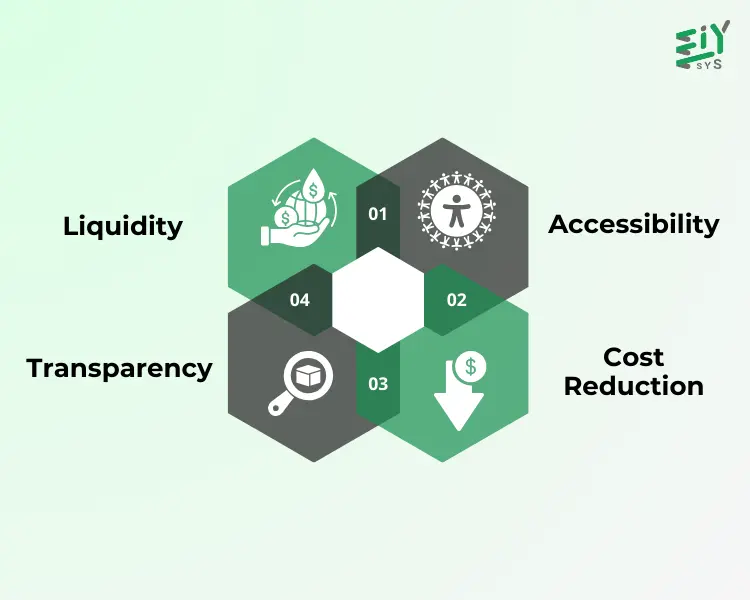
- Liquidity:Traditional markets often lack liquidity due to the fragmented nature of ownership records. Tokenization solves this by allowing assets to be divided into smaller, tradable units, making them easier to buy and sell on exchanges.
- Accessibility: Tokenization opens doors for a broader range of investors to access high-value assets. With fractional ownership, people can invest in traditionally illiquid assets like real estate or fine art with smaller capital.
- Transparency: The use of blockchain enhances transparency by providing a public, immutable record of ownership and transactions, reducing fraud and fostering trust, especially in industries like art or luxury goods.
- Cost Reduction:Tokenization can lower administrative costs by removing intermediaries. Peer-to-peer transactions and smart contracts streamline asset management, making operations more efficient and affordable.
4. Contribution of Asset Tokenization Trends to the DeFi Ecosystem: The rise of asset tokenization trends is significantly contributing to the growth of the DeFi ecosystem in several ways:
- Transparency: Asset tokenization allows for greater visibility into asset ownership and transactions, building trust within the DeFi space.
- Liquidity: By enabling fractional ownership of assets, tokenization boosts liquidity, allowing for easier trading of previously illiquid assets on decentralized platforms.
- Reduced Costs: The decentralized nature of tokenized assets eliminates intermediaries, cutting down on transaction fees and increasing overall efficiency within the DeFi ecosystem.
5. Real Estate Tokenization with Blockchain: Real estate is one of the most transformative sectors benefiting from asset tokenization. Real estate tokenization with blockchain enables fractional ownership of properties, allowing individuals to invest with smaller amounts of capital. Blockchain ensures transparency in these transactions by securely recording and verifying ownership, which reduces the risk of fraud and ensures that property records are tamper-proof. Furthermore, real estate tokenization simplifies the buying and selling process, making it more accessible and efficient for investors.
6. Tokenization of Financial Assets:Tokenization of financial assets involves turning traditional financial products, such as stocks, bonds, or derivatives, into digital tokens. This process allows financial assets to be broken down into smaller, more accessible units, making it easier for investors to buy into high-value assets. Tokenized financial assets benefit from increased liquidity, reduced need for intermediaries, and faster transaction times. Smart contracts also enable automated execution of trades based on pre-set conditions, making these assets more efficient and secure.
Conclusion
Eiy Sys is at the forefront of the ongoing evolution of asset tokenization trends, transforming the way assets are managed, traded, and invested. Blockchain technology, paired with smart contracts and fractional ownership models, is driving significant Key Developments in Asset Tokenization. The Asset Tokenization Benefits, such as enhanced liquidity, transparency, and cost reduction, are opening up new opportunities for investors and reshaping traditional investment practices.
The rise of Real Estate Tokenization with Blockchain and the Tokenization of Financial Assets are prime examples of how blockchain technology is democratizing access to high-value assets. As blockchain trends in 2024 continue to unfold, asset tokenization will undoubtedly remain a key force behind the growth and innovation in global financial markets.
Frequently Asked Questions
Asset tokenization refers to the conversion of physical assets like real estate, art, and commodities into digital tokens on a blockchain platform. This process enables fractional ownership, allowing these assets to be more easily traded and accessible. Blockchain ensures that these tokenized assets are secure, transparent, and immutable, adding value and liquidity.
In 2024, notable blockchain trends include the continued growth of decentralized finance (DeFi), which eliminates intermediaries like banks in financial transactions. Blockchain 4.0 is making it easier to build decentralized applications (Dapps), while blockchain and the Internet of Things (IoT) will work together to improve security and data sharing. Additionally, NFTs will play a bigger role in protecting digital assets and identities.
Asset tokenization brings multiple advantages, such as improving liquidity for assets that are typically hard to trade. It also opens up access to valuable assets, ensures greater transparency in ownership and transactions, and reduces administrative costs. By connecting real-world assets with decentralized finance (DeFi), tokenization offers new investment opportunities.
Asset tokenization supports the DeFi ecosystem by increasing transparency, improving liquidity, and reducing costs. It allows for fractional ownership, making traditionally illiquid assets more accessible on decentralized platforms. Furthermore, tokenized assets can be used in DeFi markets, creating opportunities for new types of investments and financial products.
The tokenization of financial assets is the process of transforming traditional assets into digital tokens on a blockchain. These tokens can be programmed with specific actions using smart contracts, which enables fractional ownership, improves liquidity, and cuts down on the need for intermediaries. Blockchain ensures all transactions are transparent and auditable.
Asset tokenization is transforming traditional investment models by improving liquidity, enabling fractional ownership, and making high-value assets more accessible. It creates new opportunities for a wider range of investors, making previously exclusive markets more inclusive. The increased transparency and security provided by blockchain make the investment process more efficient and reliable.